Oscar Wilde
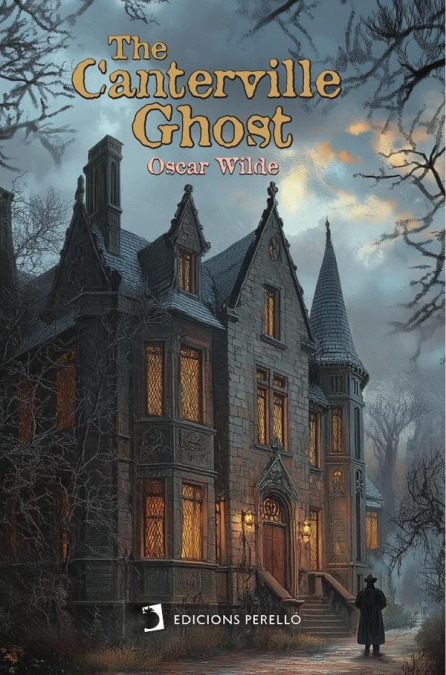
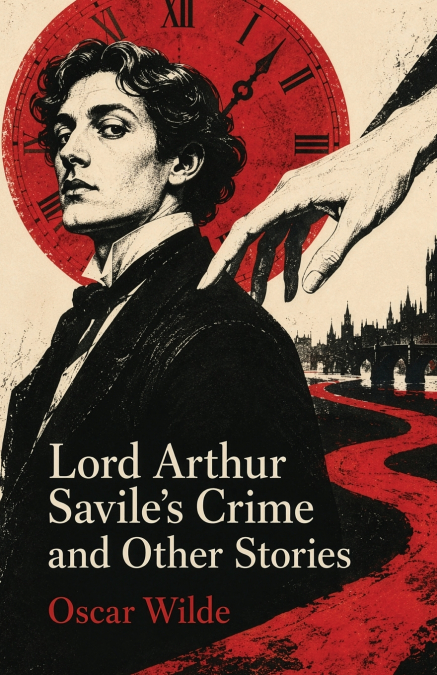
A fashionable palm reader tells Lord Arthur Savile that murder lies in his future, and the dutiful aristocrat reaches an absurd conclusion: he must commit the crime before he can marry. Wilde takes that comic premise and turns it into a satire of fate, morality, social obligation, and the strange logic of respectability.The collection ranges widely in tone. 'The Canterville Ghost' transforms the conventions of the Gothic ghost story into comedy as an old English haunting collides with American practicality, before developing an unexpectedly moving emotional dimension. 'The Sphinx Without a Secret' plays with mystery, appearance, and the human desire to invent significance, while 'The Model Millionaire' turns generosity, class, and mistaken appearances into a compact social comedy.Across the stories, Wilde repeatedly exposes the gap between appearance and reality. Murder can be treated as a matter of etiquette, ghosts can suffer from humiliation, mystery may conceal emptiness, and social judgment often proves less reliable than kindness or chance. His characters move through drawing rooms, country houses, fashionable society, and supernatural situations governed by rules that become increasingly ridiculous the more seriously they are observed.The humor depends on Wilde’s characteristic use of paradox, understatement, reversal, and social absurdity. Beneath the wit, however, the stories repeatedly return to questions of responsibility, generosity, fate, vanity, and the ease with which people confuse convention with morality.First published in 1891, Lord Arthur Savile’s Crime and Other Stories originally contained four stories: 'Lord Arthur Savile’s Crime,' 'The Canterville Ghost,' 'The Sphinx Without a Secret,' and 'The Model Millionaire.' Later editions sometimes include 'The Portrait of Mr. W. H.,' so the exact contents can vary by edition.Elegant, playful, and frequently darker than their polished surfaces suggest, these stories show Wilde combining social satire with elements of crime, mystery, and the supernatural. The result is a collection in which murder, ghosts, secrets, and good manners all become material for a distinctly Wildean examination of Victorian absurdity.