Inicio > Matemáticas y ciencia > Biologia, ciencias de la vida > Hidrobiología > Biología marina > Microalgae for Carbon Sequestration and Wastewater Valorization
Microalgae for Carbon Sequestration and Wastewater Valorization

Microalgae for Carbon Sequestration and Wastewater Valorization


341,93 €
IVA incluido
Disponible
Editorial:
IGI Global
Año de edición:
2026
Materia
Biología marina
ISBN:
9798337376318
341,93 €
IVA incluido
Disponible
Añadir a favoritos

Microalgae emerges as a powerful solution at the intersection of climate mitigation and resource recovery, offering paths toward a sustainable bioeconomy. Through photosynthesis, these microorganisms capture carbon dioxide, supporting strategies aligned with efforts in carbon sequestration, while enabling wastewater valorization. By converting pollutants into biomass for biofuels, animal feed, and bioproducts, microalgae systems utilize circular economy principles and reduce environmental burdens. As technological innovations and supportive policies advance, integrating microalgae into industrial processes creates scalable and multifunctional solutions for climate change, water treatment, and sustainable production. Microalgae for Carbon Sequestration and Wastewater Valorization: Pathways to a Sustainable Bioeconomy explores the multifaceted role of microalgae in addressing pressing global environmental challenges, focusing on carbon sequestration, wastewater treatment, and bioenergy production. It highlights both the fundamental biological mechanisms of carbon capture and nutrient removal, as well as cutting-edge technological innovations like photobioreactors, anaerobic reactors, and integrated biorefinery systems. This book covers topics such as nanoparticles, synthetic biology, and pollution management, and is a useful resource for engineers, biologists, academicians, researchers, and scientists.
Artículos relacionados

  • Marine Polysaccharides Volume 1
    Paola Laurienzo
    The field of marine polysaccharides is constantly evolving, due to progress in the discovery and production of new marine polysaccharides. Seaweed remains the most abundant source of polysaccharides, but recent advances in biotechnology have allowed the production of large quantities of polysaccharides from a variety of micro-algae, by controlling growth conditions and tailorin...
    Disponible

    75,60 €

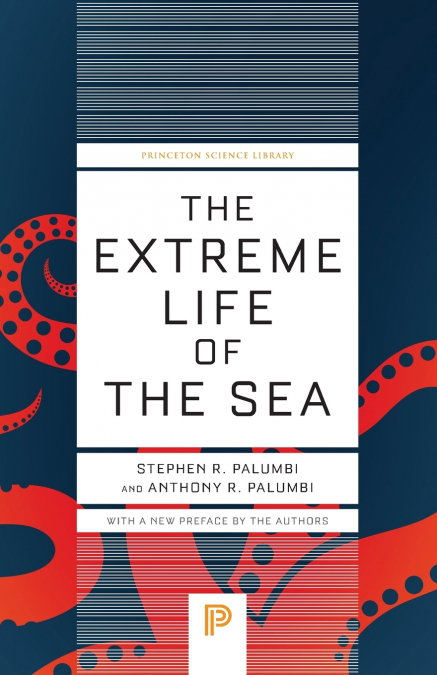
  • The Extreme Life of the Sea
    Anthony R. Palumbi / Stephen R. Palumbi
    A thrilling tour of the sea’s most extreme species, coauthored by one of the world’s leading marine scientistsThe ocean teems with life that thrives under difficult situations in unusual environments. The Extreme Life of the Sea takes readers to the absolute limits of the ocean world-the fastest and deepest, the hottest and oldest creatures of the oceans. It dives into the icy ...
    Disponible

    21,05 €

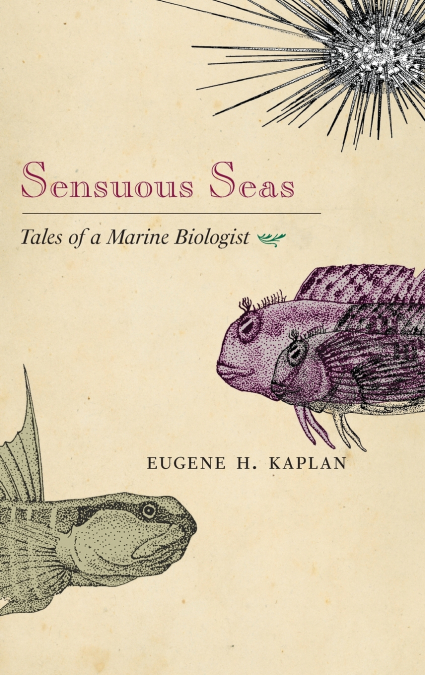
  • Sensuous Seas
    Eugene H. Kaplan
    Learning marine biology from a textbook is one thing. But take readers to the bottom of the sea in a submarine to discover living fossils or to coral reefs to observe a day in the life of an octopus, and the sea and its splendors come into focus, in brilliant colors and with immediacy. In Sensuous Seas, Eugene Kaplan offers readers an irresistibly irreverent voyage to the worl...
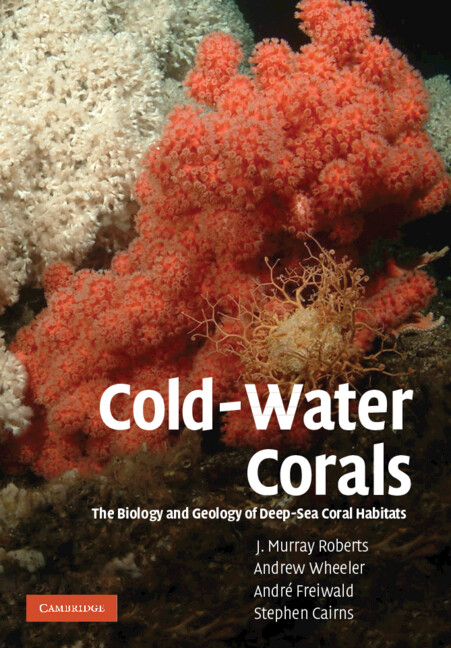
  • Cold-Water Corals
    André Freiwald / Andrew Wheeler / J. Murray Roberts
    ...
    Disponible

    89,81 €

  • Shark
    David Owen
    A superlative study of our planet’s dominant predator for millions of years. A major and fully indexed contribution to the preservation of this amazing creature, now much threatened by human activity - with losses from overfishing, pollution, and the destruction of their habitat.Although scientific knowledge of sharks is increasing rapidly, the author shows that there is still ...
    Disponible

    43,01 €

  • Marine Metabolites in Disease Management, VOL 1
    In recent years, the exploration of marine ecosystems has unveiled a plethora of bioactive compounds with remarkable therapeutic potential. The oceans, covering over 70% of the Earth’s surface, are a rich source of biodiversity, harbouring organisms that have evolved unique biochemical pathways to survive in extreme conditions. These marine metabolites, produced by marine micro...