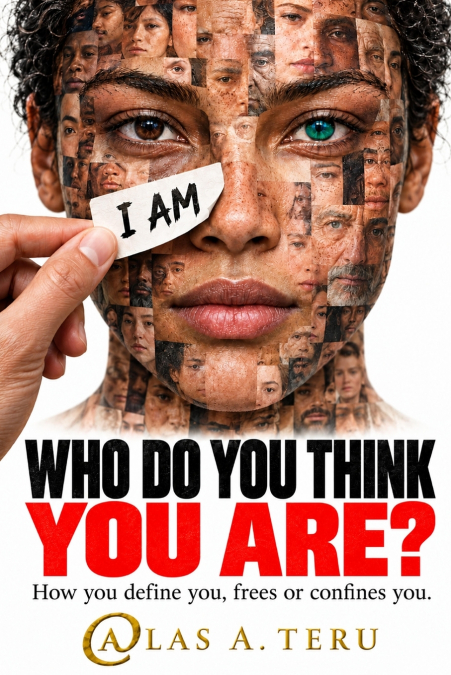
Atlas A Teru
THE WORLD BEFORE THE ICEThis is the last book in our volumes of human history.Not because history ends here. But because here the fourgreat expressions of the human plan (the Caucasianwinter, the African spring, the Asian summer, and now theAmerican autumn) finally converge into a single story.Before this convergence can begin, let us summarize thefoundations laid in the first three books.If we had to choose one aspect of humanity that revealswho we are, it is that we, as humans, are inherentlyegalitarian in our social structures. We demand equality in all matters concerning livelihood and power.In short, we, humans, value our freedom and self-determination above all.We have good reasons for this position, learned throughdifficult experiences. As a result, we inherently hate andfear giving anyone the power to control our lives. Alldecisions on matters that concern everyone must bemade by all.This fundamental human value has resurfaced overhundreds of thousands of years of world history. It is thisplan that has separated us from the animal kingdom andallowed us to live together with a semblance of productivepeace, which is a fundamental prerequisite for all of us.And even more importantly, the combination of ourthoughts, instincts, energy, and hearts has given usenormous advantages in navigating our perilous journeythrough a sufficiently turbulent world, without having todeal with the ego-driven blind who exploit their own.Over 98% of our human timeline, this chosen lifestyle hasbeen carefully monitored and vigorously defended.That said, we humans are not predetermined at birth.What happens to us shapes what we carry with us, areality that was proven in Volume One.The people who ultimately populated the Americasexperienced a version of the same fate as those in theCaucasian winter: generations of harsh and cold isolationduring the last Ice Age, similar to what happened to thosewho were to become the global predators of our world.Yes, the Native Americans also carried the originalegalitarian spirit and a hierarchical fear from the Ice Agewithin them, born this time not from scarcity, as at a cliff inthe Caucasus, but from an extreme, life-threateningenvironment that required not one specialist, but two forthe survival of the clan.These experts were both empowered due to their vitalskills.This dual power clashed and danced around control,essentially reflecting our human struggle between thosewho take life and those who protect it.Another essential aspect distinguished the survivors of theIce Age in Europe or Asia from those in Beringia. When thepredators of the steppes finally broke free from their owncaptivity, they found lands of other peoples where theycould settle.However, when the ice walls of Beringia melted and thefirst Americans were released, they found two wholecontinents, practically to themselves.Here is this story: how a people, shaped by their ownexperiences with the demands of the Ice Age, built, broke,and rebuilt their codes over fifteen thousand years.Before their distant counterparts, who bore the oppositelegacy of the same shared trauma of the Ice Age, arrivedby boat and took from them both what each fought for -nourishing lands and an egalitarian way of life or theresources of a region, including its inhabitants, to exploit.